
Introduction: The Ever-Expanding Realm of Healthcare
In the tapestry of human life, health weaves the most vital thread. With rapid advances in medical science, the understanding and treatment of medical conditions have evolved into a sophisticated interplay of biology, technology, and compassion. From once-mysterious ailments to chronic diseases and acute emergencies, the scope of modern medicine now encompasses early detection, precise diagnosis, targeted therapy, and holistic rehabilitation. The shift toward patient-centric, evidence-based care has transformed how society manages and overcomes illness. This article explores the intricate world of medical conditions and their treatments, offering insight into the principles that guide modern healthcare.
Understanding Medical Conditions: A Multifaceted Landscape
Medical conditions refer to any state of physical or mental health that deviates from normal well-being. These conditions differ widely in cause, severity, progression, and required care. They are broadly categorized based on duration, origin, and system involvement.
1. Acute Conditions
Acute conditions develop rapidly and typically resolve within a short period. Though often treatable, they may require urgent medical attention.
Common acute illnesses include:
-
Respiratory infections such as pneumonia
-
Gastrointestinal issues like food poisoning
-
Fractures, burns, and lacerations
-
Heart attacks or strokes
2. Chronic Diseases
Chronic conditions persist for months or even years, often demanding long-term management rather than a definitive cure. These diseases can significantly affect quality of life and strain healthcare systems.
Notable chronic conditions include:
-
Type 2 diabetes
-
Cardiovascular disease
-
Asthma and chronic bronchitis
-
Autoimmune disorders such as lupus or rheumatoid arthritis
3. Infectious Diseases
These illnesses are caused by pathogens—bacteria, viruses, fungi, or parasites—and may be contagious or non-contagious.
Examples include:
-
Tuberculosis
-
COVID-19
-
HIV/AIDS
-
Hepatitis B and C
4. Mental Health Disorders
Mental illnesses affect emotional, psychological, and cognitive functioning. Awareness has grown significantly, yet stigma still prevents many from seeking help.
Common conditions include:
-
Depression and anxiety
-
Bipolar disorder
-
Obsessive-compulsive disorder (OCD)
-
Schizophrenia
5. Genetic and Congenital Disorders
These conditions are either inherited or develop in the womb due to chromosomal or genetic abnormalities.
Representative disorders include:
-
Down syndrome
-
Sickle cell anemia
-
Muscular dystrophy
-
Cystic fibrosis
Diagnosis: The Art of Detection and Interpretation
Diagnosis is a cornerstone of effective treatment. Modern diagnostic techniques combine clinical experience with advanced technology to provide precise and timely information. Accurate diagnosis not only guides therapeutic decisions but can also improve prognosis and reduce unnecessary interventions.
Core diagnostic tools include:
-
Laboratory Testing: Blood, urine, and tissue samples provide information about infections, inflammation, organ function, and metabolic disorders.
-
Imaging Techniques: MRI, CT scans, X-rays, and ultrasounds allow visualization of internal structures.
-
Endoscopy and Biopsy: These invasive procedures help in diagnosing gastrointestinal and cancer-related conditions.
-
Genetic Testing: Especially useful in identifying inherited disorders and assessing disease risk.
-
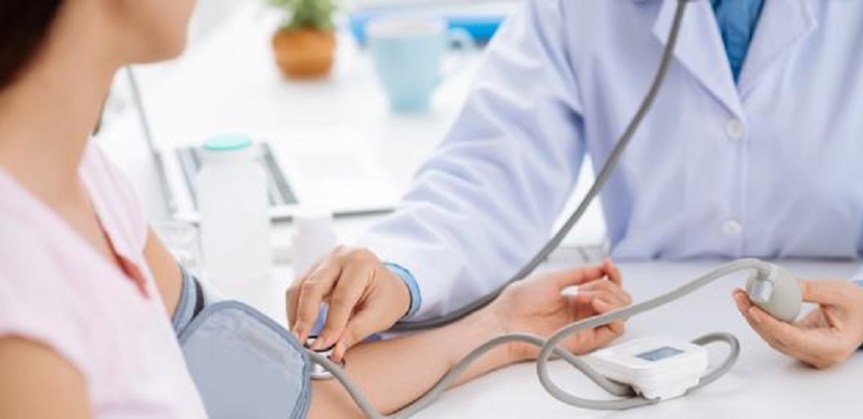
Clinical Evaluation: Despite technological progress, physical examination and patient history remain irreplaceable elements of diagnosis.
Treatment Modalities: A Spectrum of Care Approaches
Medical treatment varies significantly depending on the nature of the condition, the patient’s overall health, and advances in therapeutic science. Treatment aims to cure, manage, or alleviate symptoms and may involve a combination of interventions.
1. Pharmacotherapy
The use of medication is one of the most common treatment approaches. Medications are tailored to target specific pathologies or relieve symptoms.
Key categories include:
-
Antibiotics and antivirals for infections
-
Antihypertensives and statins for cardiovascular diseases
-
Insulin and oral hypoglycemics for diabetes
-
Antidepressants and antipsychotics for mental health disorders
2. Surgical Interventions
Surgery is often necessary to repair, remove, or replace affected tissues or organs. Innovations like minimally invasive techniques and robotic-assisted surgeries have significantly improved outcomes and reduced recovery time.
Common surgical procedures involve:
-
Tumor removal
-
Joint replacement
-
Cardiovascular bypass
-
Appendectomies and organ transplants
3. Lifestyle Modification and Preventive Care
In many cases, altering daily habits proves to be more effective than medication alone. Preventive strategies are integral to managing chronic diseases and promoting long-term health.
Key lifestyle interventions include:
-
A balanced diet rich in whole foods
-
Regular physical activity
-
Smoking and alcohol cessation
-
Adequate sleep and stress reduction techniques
4. Physical and Psychological Rehabilitation
Recovery from illness often extends beyond the resolution of physical symptoms. Rehabilitation helps individuals regain strength, independence, and mental stability.
Common rehabilitation services include:
-
Physical therapy for musculoskeletal and neurological issues
-
Occupational therapy to restore daily functions
-
Cognitive therapy for stroke or trauma recovery
-
Psychotherapy and counseling for mental health
5. Integrative and Complementary Medicine
While not substitutes for evidence-based care, complementary approaches can support healing when used alongside conventional treatment.
Popular therapies include:
-
Acupuncture and traditional Chinese medicine
-
Herbal remedies and nutritional supplements
-
Chiropractic care
-
Meditation, yoga, and breathwork for stress management
6. Emerging Medical Technologies
The future of treatment is being shaped by innovation. Advanced research and biotechnology are unlocking new possibilities in disease management and prevention.
Promising developments include:
-
Personalized medicine based on genetic profiles
-
CRISPR and gene-editing technologies
-
Immunotherapy for cancer
-
Telemedicine and remote monitoring devices
-
Artificial intelligence in diagnostic imaging and drug development
The Role of the Patient in Modern Medicine
Empowered patients are central to successful treatment outcomes. With increased access to information and digital tools, patients today are more informed and actively involved in their healthcare decisions. Trust, communication, and education between providers and patients foster collaboration and long-term wellness.
Conclusion: A Holistic View of Healing
In our rapidly advancing medical landscape, understanding medical conditions and treatments is not just the domain of healthcare professionals—it is an essential life skill. From diagnostics to rehabilitation, the journey through illness and recovery is increasingly defined by personalized care, technological innovation, and proactive patient engagement. By embracing a holistic and informed approach, individuals and communities can not only treat disease but foster resilience, dignity, and quality of life. The art of healing, when grounded in knowledge and compassion, becomes one of humanity’s greatest achievements.


