

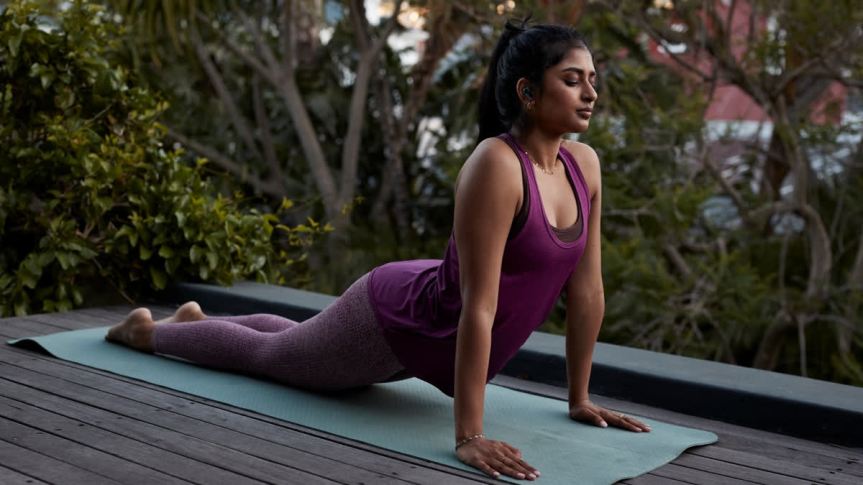
Sleep is often treated as a passive activity, something that simply happens when the day ends. In reality, sleep quality is deeply influenced by how the nervous system transitions from activity to rest. In Singapore, where long work hours, late meals, screen exposure, and artificial lighting are part of everyday life, many people struggle to achieve truly restorative sleep. This is why yoga Singapore has become an increasingly relevant practice, not just for physical wellbeing, but for supporting deeper and more consistent sleep.
Evening yoga routines offer a structured way to guide the body out of high-alert mode and into a state that supports natural sleep cycles. Rather than forcing rest, yoga prepares the body to rest.
Why Sleep Challenges Are Common in Singapore
Singapore’s lifestyle creates a unique set of conditions that interfere with sleep. High productivity expectations, digital connectivity across time zones, and dense urban living keep the nervous system stimulated well into the night.
Common contributors to poor sleep include:
-
Late exposure to screens and artificial lighting
-
Mental overactivity after work hours
-
Irregular dinner timing
-
Reduced daylight exposure due to indoor work
-
Difficulty separating work mode from rest mode
These factors disrupt the body’s internal clock and delay the natural onset of sleepiness. Yoga helps bridge the gap between daytime demands and nighttime recovery.
Understanding Sleep as a Nervous System Process
Sleep is regulated by the nervous system, not just by physical tiredness. A body can feel exhausted while the nervous system remains overstimulated. This often leads to difficulty falling asleep, light sleep, or frequent waking.
Yoga supports sleep by:
-
Reducing sympathetic nervous system dominance
-
Encouraging parasympathetic activation through breath and movement
-
Creating predictable cues that signal safety and rest
This makes yoga particularly effective for individuals who feel tired but mentally alert at night.
The Importance of Evening-Specific Yoga Practices
Not all yoga practices are suitable for evening hours. Stimulating sequences late at night can increase alertness rather than reduce it. Evening yoga focuses on downshifting rather than exertion.
Effective evening routines typically include:
-
Slow, deliberate transitions
-
Grounded postures close to the floor
-
Extended exhalations during breathing
-
Minimal effort with maximum awareness
These elements help slow heart rate and reduce cortisol levels, preparing the body for sleep rather than activity.
Breath Pacing and Sleep Readiness
Breath is one of the most powerful tools for influencing sleep quality. Fast or shallow breathing signals alertness, while slow, steady breathing supports relaxation.
Evening yoga emphasises:
-
Lengthened exhalations to calm the nervous system
-
Gentle pauses between breaths
-
Awareness of breath movement rather than control
In Singapore’s air-conditioned environments, where breathing can become shallow, this intentional pacing helps restore natural respiratory rhythms before bedtime.
Releasing Physical Tension That Disrupts Sleep
Physical tension often accumulates silently throughout the day. Tight hips, compressed lower backs, and tense shoulders can interfere with comfort in bed and lead to restless sleep.
Yoga helps release this tension by:
-
Gently mobilising joints after prolonged sitting
-
Encouraging muscle relaxation without force
-
Reducing habitual clenching patterns
-
Improving circulation to areas prone to stiffness
When the body feels physically at ease, the nervous system receives signals that it is safe to rest.
The Role of Consistency in Evening Yoga
Sleep quality improves when the body receives consistent cues. Practising yoga at similar times in the evening helps regulate circadian rhythms by creating predictable patterns.
Consistency supports:
-
Faster transition into sleep mode
-
Reduced nighttime alertness
-
Improved sleep depth over time
-
Easier morning wakefulness
For people in Singapore with structured schedules, even short but regular evening practices can have a meaningful impact.
Managing Late-Night Mental Activity
Mental activity often intensifies at night when distractions reduce. Thoughts about work, responsibilities, or planning the next day can keep the mind active.
Yoga addresses this by:
-
Redirecting attention to physical sensations
-
Anchoring awareness in the present moment
-
Reducing mental rumination through movement
-
Encouraging non-judgemental observation
This mental shift helps create separation between daytime problem-solving and nighttime rest.
Studio Practice Versus Home Practice for Sleep
Both studio and home yoga practices can support sleep, but studio environments offer unique benefits. A dedicated space away from home distractions helps reinforce the transition into rest mode.
Studios such as Yoga Edition provide calm, controlled environments that support nervous system downshifting. Practising outside the home can make it easier to mentally disconnect from daily responsibilities before returning home to sleep.
Temperature, Lighting, and Sleep Preparation
Environmental factors play a significant role in sleep quality. Yoga studios that use softer lighting and maintain comfortable temperatures help prepare the body for rest.
Through regular practice, the nervous system begins to associate these sensory cues with relaxation, making it easier to access calm states later in the evening.
Long-Term Benefits of Yoga for Sleep Health
Improved sleep quality has a ripple effect on overall wellbeing. When sleep becomes deeper and more consistent, energy levels stabilise, mood improves, and resilience to stress increases.
Over time, yoga supports:
-
Reduced reliance on sleep aids
-
Improved emotional regulation
-
Better physical recovery
-
Greater mental clarity during the day
This makes yoga a sustainable and natural approach to sleep optimisation in an urban environment.
FAQ
Q: Can evening yoga help if I fall asleep easily but wake up during the night?
A: Yes. Evening yoga supports nervous system balance, which can reduce nighttime awakenings by promoting deeper, more stable sleep cycles.
Q: How late should I practise yoga if my goal is better sleep?
A: Practising one to two hours before bedtime works well for most people. This allows the body time to settle into rest mode after the session.
Q: Is it okay to practise yoga every evening for sleep support?
A: Yes. Gentle evening yoga is safe to practise regularly, as it focuses on relaxation rather than physical strain.
Q: Can yoga help with sleep issues caused by work stress?
A: Yoga is particularly effective for stress-related sleep issues, as it addresses both physical tension and mental overactivity.
Q: Do I need long sessions for yoga to improve sleep quality?
A: No. Even short, focused sessions can support sleep when practised consistently and with awareness.
Q: Will yoga still help if my sleep schedule is irregular?
A: Yoga can help stabilise sleep patterns over time by supporting nervous system regulation, even if schedules vary initially.


