

Introduction: Beyond Food—A Philosophy of Living Well
Nutrition and diet are often framed narrowly, reduced to calorie charts or trendy meal plans. Yet, true nourishment encompasses far more than numbers on a label. It is the deliberate act of fueling the body, supporting the mind, and honoring our individual needs through thoughtful food choices. At its best, diet is not deprivation, but balance. Nutrition is not restriction, but wisdom. In an age of abundance and confusion, understanding the principles of a sound diet is not just important—it is essential for thriving in every dimension of life.
Understanding Nutrition: A Balanced Approach to the Basics
The term “nutrition” refers to the biological process by which the body takes in and utilizes food. But good nutrition is far more than eating to survive; it is about eating to thrive. A balanced diet provides all the essential nutrients—macronutrients and micronutrients—that the body needs to function optimally.
Macronutrients: The Big Three
-
Carbohydrates: Often misunderstood, carbs are the body’s primary energy source. Complex carbohydrates from whole grains, legumes, fruits, and vegetables provide fiber, vitamins, and sustained energy.
-
Proteins: Essential for muscle repair, enzyme production, and immune function. High-quality proteins can be found in lean meats, dairy, fish, legumes, and plant-based sources like tofu and quinoa.
-
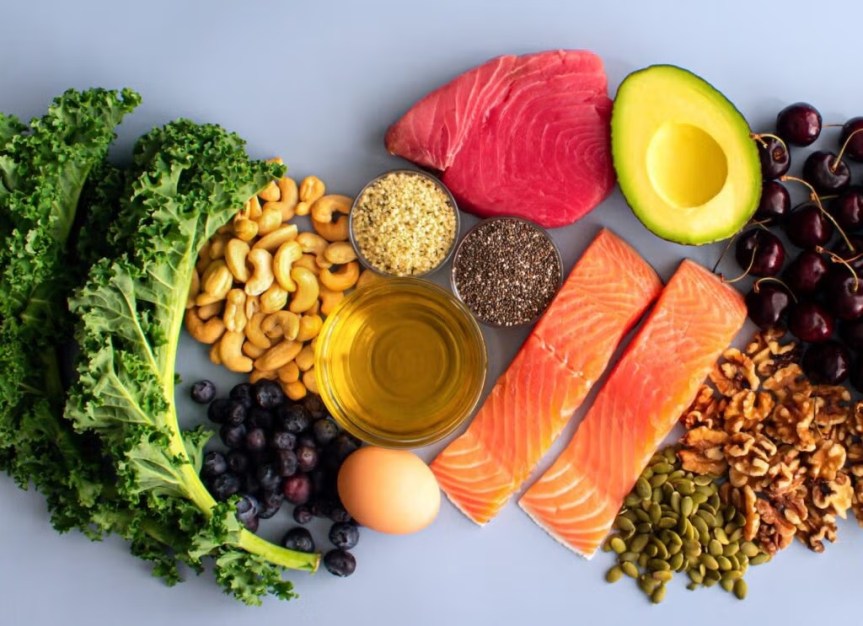
Fats: Healthy fats are critical for brain function, hormone regulation, and cell integrity. Sources such as avocados, nuts, seeds, olive oil, and fatty fish like salmon offer protective benefits when consumed in moderation.
Micronutrients: The Subtle Architects of Health
Vitamins and minerals are required in smaller amounts, yet their role is profound.
-
Vitamin D supports bone health and immune function.
-
Iron helps carry oxygen through the blood.
-
Magnesium aids in muscle and nerve function.
-
Antioxidants like vitamins C and E fight cellular damage.
Eating a varied, colorful diet rich in whole foods is the simplest and most effective way to obtain these essential compounds.
The Power of Whole Foods: Eating Closer to Nature
Highly processed foods, laden with added sugars, unhealthy fats, and artificial additives, offer empty calories and long-term health risks. In contrast, whole foods—foods that are minimally processed and closer to their natural state—provide fiber, phytonutrients, and essential enzymes.
Core Components of a Whole-Food Diet:
-
Fresh vegetables and fruits
-
Whole grains like brown rice, oats, and millet
-
Lean proteins and legumes
-
Healthy fats from nuts and seeds
-
Herbs and spices for flavor and healing properties
Mindful Eating: Reconnecting with the Act of Nourishment
Modern lifestyles often encourage eating in haste—behind a screen, in traffic, or between meetings. This disconnection from food leads to overeating, poor digestion, and diminished satisfaction. Mindful eating restores a sense of ritual and presence to meals.
Tips for Practicing Mindful Eating:
-
Eat slowly and chew thoroughly
-
Avoid distractions like television or smartphones
-
Pay attention to hunger and satiety cues
-
Appreciate the aroma, texture, and taste of food
-
Reflect on where your food came from and how it was prepared
Personalized Nutrition: One Size Does Not Fit All
Every individual has unique dietary needs based on genetics, lifestyle, medical conditions, activity level, and personal values. The diet that fuels a professional athlete will differ vastly from that of a sedentary office worker or someone managing a chronic illness.
Factors That Influence Nutritional Needs:
-
Age and gender
-
Activity level
-
Metabolic health (blood sugar, cholesterol, etc.)
-
Gut health and food intolerances
-
Cultural and ethical food preferences
Personalized nutrition is not a trend—it is a necessary evolution in the way we understand health. Tailoring one’s diet through professional guidance or self-observation can lead to transformative changes in energy, mood, and overall vitality.
Timing and Hydration: The Unsung Heroes
What we eat is crucial—but so is when and how we eat. Eating within a consistent time window supports circadian rhythms and metabolic efficiency. Late-night eating disrupts sleep and digestion, while skipping breakfast can impair focus and energy.
Hydration is equally vital. Water supports every cellular function, from temperature regulation to nutrient transport.
Hydration Tips:
-
Start your morning with a glass of water
-
Drink consistently throughout the day
-
Limit sugary drinks and alcohol
-
Use herbal teas or infused water for variety
Navigating Trends and Misinformation
The modern nutrition landscape is saturated with contradictory advice, influencer-driven fads, and pseudo-scientific claims. From juice cleanses to keto to intermittent fasting, it can be difficult to separate sound science from marketing noise.
How to Identify Reliable Nutrition Guidance:
-
Look for advice rooted in peer-reviewed research
-
Be wary of extreme diets that cut out entire food groups
-
Avoid quick-fix promises or miracle products
-
Consult registered dietitians or certified nutrition experts
-
Follow recommendations from reputable health organizations
Sustainable and Ethical Eating: Nourishing Ourselves and the Planet
Nutrition is not just about personal health—it also has environmental and ethical implications. Choosing more plant-based meals, supporting local agriculture, and reducing food waste contribute to a healthier planet.
Practices for Sustainable Nutrition:
-
Eat seasonal, local produce
-
Reduce reliance on single-use packaging
-
Choose responsibly sourced seafood
-
Incorporate more vegetarian or vegan meals
-
Compost food scraps when possible
Conclusion: A Lifelong Relationship with Food
Nutrition and diet are not destinations, but lifelong journeys. They are rooted in knowledge, but also in intuition, culture, and care. The path to better health is not paved with rigid rules or fleeting trends, but with intentional choices made day by day. To nourish well is to live well—to support not just the body, but the soul. In embracing the elegance of balanced, thoughtful eating, we cultivate a life of greater energy, clarity, and connection. Let food be our medicine, our celebration, and our legacy.


