

Introduction: Redefining Women’s Health Beyond Conventional Boundaries
Women’s health has long been a field dominated by narrow perceptions focused primarily on reproductive issues. Yet, the reality is far richer and more intricate. Women’s health encompasses physical, mental, emotional, and social dimensions, all of which interact dynamically throughout a woman’s life. From adolescence through menopause and beyond, each phase introduces new challenges and opportunities for well-being.
Today’s approach to women’s health calls for an expansive and nuanced understanding—one that honors biological complexity while addressing social determinants and mental wellness. This article explores the multifaceted nature of women’s health, advocating for a comprehensive and compassionate framework that supports women in all their diversity.
Biological Foundations: Understanding Female Physiology in Depth
At the core of women’s health lies an intricate physiological system distinct in many ways from that of men. Recognizing these differences is essential not only for accurate diagnosis and treatment but also for fostering respect for the female body’s unique rhythms.
Key Physiological Considerations:
-
Hormonal Cycles and Their Impact: Estrogen, progesterone, and other hormones regulate more than just fertility—they influence mood, immune response, cardiovascular health, and even cognitive function.
-
Reproductive Health Milestones: Menstruation, pregnancy, childbirth, and menopause each bring specific health concerns and require tailored medical support.
-
Heart Disease in Women: Often overshadowed by male-centric studies, cardiovascular disease remains the leading cause of death in women worldwide, with symptoms and risks that differ from men.
-
Bone Health and Osteoporosis: Women face higher risks of osteoporosis due to lower peak bone mass and estrogen loss after menopause, necessitating proactive prevention strategies.
A healthcare model attuned to these biological realities enables personalized and effective care, moving beyond one-size-fits-all prescriptions.
Mental and Emotional Wellness: The Cornerstone of Holistic Care
Mental health is inseparable from physical health, especially for women, who experience higher rates of depression, anxiety, and certain stress-related disorders. The interplay between hormonal changes and psychological well-being is profound and often underappreciated.
Influential Factors on Women’s Mental Health:
-
Hormonal Fluctuations: Life events such as menstruation, pregnancy, postpartum period, and menopause can trigger mood disorders or exacerbate existing conditions.
-
Societal Roles and Expectations: Women frequently balance professional responsibilities with caregiving duties, often leading to chronic stress and burnout.
-
Trauma and Abuse: Higher incidences of gender-based violence and discrimination contribute significantly to mental health challenges.
Integrating mental health screenings into routine healthcare visits and providing accessible psychological support are critical steps toward comprehensive care.
Preventive Care: Empowering Women Through Early Detection and Education
Preventive healthcare is a vital yet frequently overlooked component of women’s wellness. Empowering women to prioritize screenings and vaccinations can dramatically reduce the incidence and severity of many conditions.
Essential Preventive Measures:
-
Breast Health Screenings: Regular mammograms and self-examinations are key in early detection of breast cancer.
-
Cervical Cancer Prevention: Pap smears and HPV vaccination play crucial roles in reducing cervical cancer rates.
-
Bone Density Testing: Especially after age 50 or earlier in high-risk individuals, to detect osteoporosis.
-
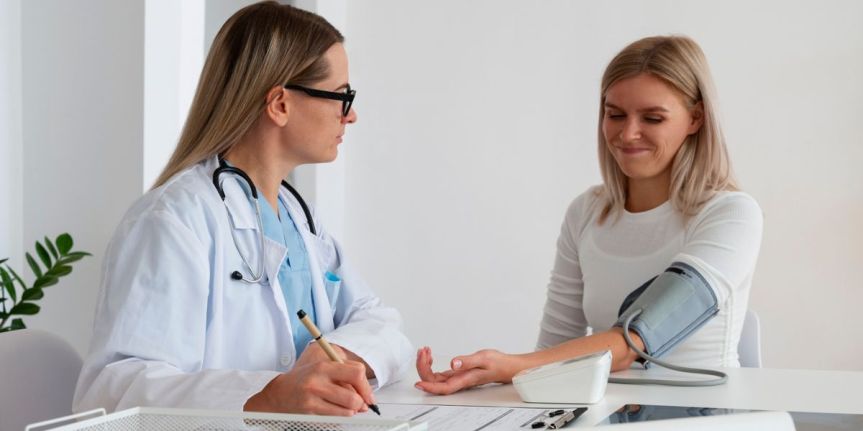
Cardiovascular Monitoring: Blood pressure, cholesterol, and blood sugar tests can identify risk factors before disease develops.
-
Mental Health Evaluation: Routine assessment helps in early identification of depression and anxiety.
Educational initiatives and healthcare policies must work hand-in-hand to dismantle barriers to preventive services, particularly in underserved populations.
Lifestyle and Nutrition: Foundations for Lifelong Health
Healthy lifestyle choices profoundly influence women’s health trajectories, often making the difference between chronic disease and sustained vitality. Nutrition, physical activity, and sleep are pillars of this foundation.
Nutritional Essentials for Women:
-
Iron and Folate: Critical for menstruating and pregnant women to prevent anemia and support fetal development.
-
Calcium and Vitamin D: Vital for bone strength and prevention of osteoporosis.
-
Omega-3 Fatty Acids: Beneficial for cardiovascular and cognitive health.
-
Antioxidant-Rich Foods: Protect cells from damage and support immune function.
Lifestyle Recommendations:
-
Regular Exercise: Combats heart disease, diabetes, and osteoporosis, while improving mental health.
-
Stress Management: Mindfulness, yoga, and relaxation techniques aid emotional resilience.
-
Sleep Hygiene: Quality sleep regulates hormones, improves cognition, and supports immune defenses.
Women who adopt balanced lifestyle habits enhance not only their own health but also set a positive example within their families and communities.
Addressing Social Determinants and Health Disparities
Health does not exist in a vacuum; it is shaped by the environment, social conditions, and access to resources. Women, particularly those from marginalized communities, often face systemic obstacles that undermine their health outcomes.
Barriers to Equitable Women’s Health:
-
Economic Inequality: Financial constraints limit access to quality healthcare and nutritious food.
-
Cultural and Linguistic Barriers: These impede communication and trust between patients and providers.
-
Racial and Ethnic Disparities: Women of color frequently experience worse health outcomes and bias within medical systems.
-
Geographic Challenges: Rural areas often lack specialized women’s health services.
Effective strategies must include policy reform, community outreach, and culturally competent care to bridge these gaps and ensure all women receive dignified, comprehensive health services.
Conclusion: Toward a Future of Integrated and Inclusive Women’s Health
Women’s health is a vast, dynamic, and deeply personal domain that transcends narrow medical definitions. To honor its complexity, healthcare must evolve toward integration—connecting physical care with mental health support, prevention with treatment, and individual needs with societal realities.
By adopting a holistic framework, we empower women to take charge of their health journeys, supported by systems that are responsive, equitable, and informed. In doing so, we not only improve outcomes for women but enrich the well-being of families, communities, and societies at large.
The path forward is clear: recognizing women’s health as a whole-life, whole-person endeavor—a profound journey deserving of respect, innovation, and unwavering commitment.


